
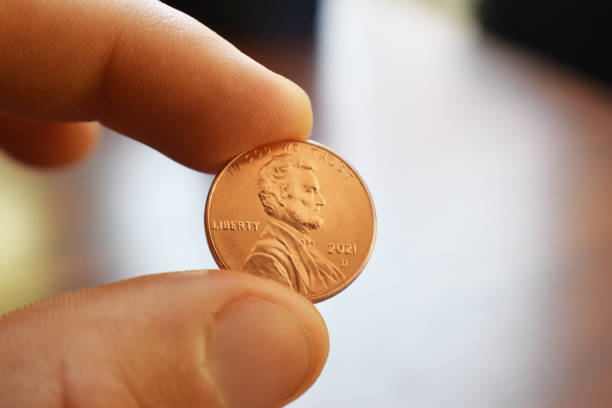
For more than a century, the humble penny has jingled in our pockets, collected dust in jars, and served as a symbol of thrift. But in today’s fast-paced, digitally driven economy, many are asking the question: should the United States finally phase out the penny?
The debate over the penny has been ongoing for years, but it’s gaining traction once again as inflation rises and the cost of producing the coin continues to outweigh its face value. According to the U.S. Mint, it now costs more than 2 cents to make a single 1-cent coin. That means taxpayers are losing millions of dollars each year just to keep pennies in circulation. In 2023 alone, the U.S. government reportedly spent over $100 million on penny production.
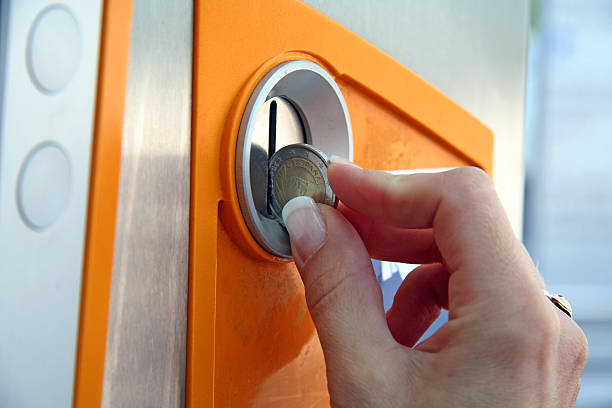
Beyond the financial inefficiency, the penny has also lost much of its usefulness in everyday life. Most consumers find pennies to be more of a nuisance than a necessity. How many of us have left them behind at a checkout counter or dropped them into a “take a penny, leave a penny” tray? Many vending machines, parking meters, and toll booths don’t even accept them anymore.
Retailers are adapting too. Countries like Canada, Australia, and New Zealand have already phased out their lowest-denomination coins and adopted rounding systems to simplify transactions. In most cases, prices are rounded to the nearest 5 cents — and studies show that over time, consumers neither lose nor gain significantly from the change.
Still, some argue the penny holds historical and emotional value. Featuring President Abraham Lincoln since 1909, the penny is a piece of American history. Opponents of its elimination worry that without it, prices might quietly rise, or that charities relying on penny donations could suffer. However, data from other countries suggests these concerns may be overstated.
There’s also a growing environmental argument. The mining and production of pennies contribute to resource depletion and environmental impact, especially considering how many pennies end up out of circulation entirely — stashed in drawers or discarded. Eliminating the penny could be a small but symbolic step toward a more sustainable future.
So, what would a penny-free America look like? Most likely, transactions would be rounded to the nearest nickel only for cash payments, while card and digital payments would still be charged to the exact cent. It’s a small change that could save the government — and taxpayers — money while streamlining everyday transactions.
Ultimately, whether the penny stays or goes may come down to political will and public sentiment. But as society moves further into a cashless, efficient future, it’s becoming harder to justify keeping a coin that no longer pulls its weight.
Perhaps it’s time we all take a closer look at the coins we carry — and consider if the penny still makes sense in our pockets.
.svg)


.jpg)


